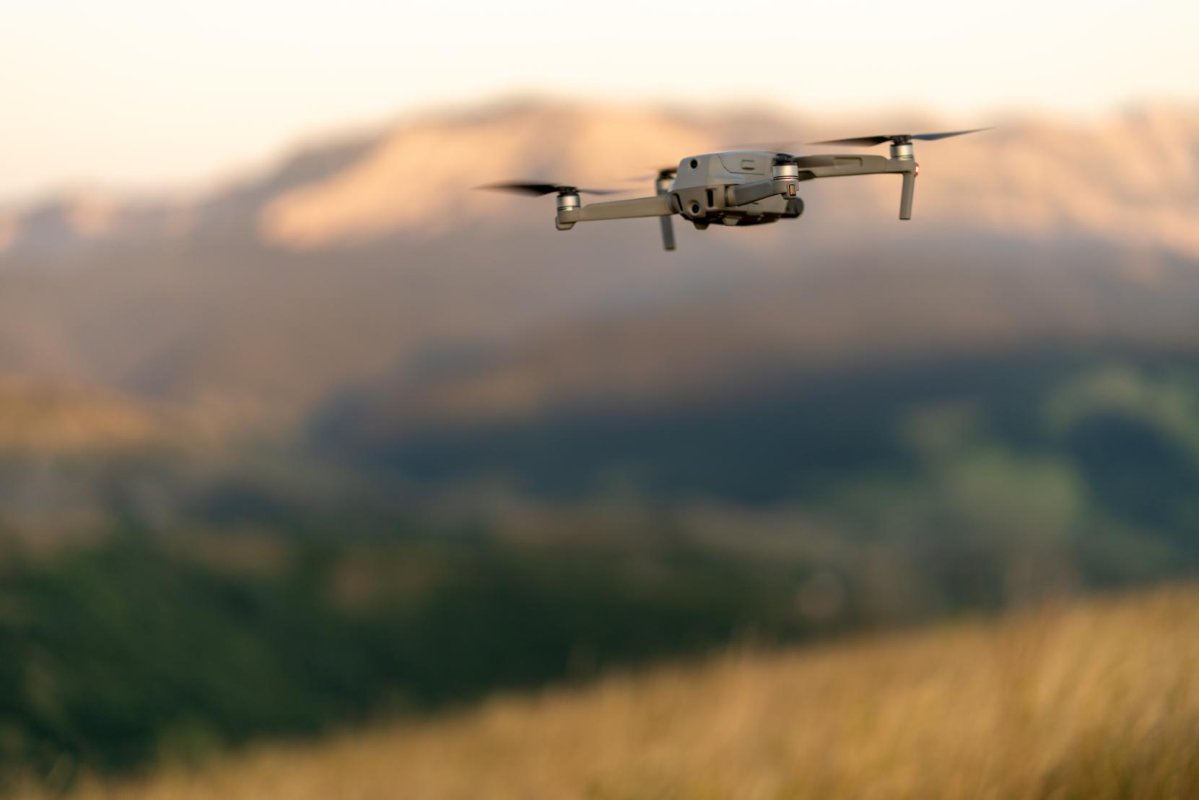
ISO 21384 Certification in Bahrain – UAS Requirements, CAA Compliance & Audit,- Get Certified with SCS
https://scscertification.com/contactus.php
Commercial drone operations are becoming increasingly relevant to engineering, construction, infrastructure, logistics, surveying, energy and media businesses in Bahrain. As the use of uncrewed aircraft systems (UAS) becomes more structured, companies need more than a capable aircraft and a trained remote pilot. They need documented operating procedures, risk controls, competent personnel, equipment controls and a consistent way of managing safety.
ISO 21384 provides an international framework for the safe operation of commercial uncrewed aircraft systems. The latest edition, ISO 21384-3:2026, was published in August 2026 and applies to commercial UAS operations regardless of their size, application or location. It focuses on operational procedures, including the systems and services supporting command and control.
For businesses in Bahrain, however, ISO certification should not be confused with government permission to operate a drone. Bahrain's Civil Aviation Affairs (CAA) operates within the national aviation regulatory framework, while the current government position also affects the practical use and approval of drones.
This distinction matters. A company can prepare its management system around ISO 21384 requirements, but an ISO certificate does not itself create an authorization to fly.
What Is ISO 21384 Certification in Bahrain?
ISO 21384 certification in Bahrain is an independent assessment of an organization's commercial UAS operational system against the applicable requirements of ISO 21384.
The standard is particularly relevant to organizations that use drones as part of their business activities rather than for occasional personal use. A construction company using drones for progress surveys, an engineering firm carrying out infrastructure inspections, or a logistics organization evaluating UAS-based delivery concepts may need a more formal approach to operational control.
The certification process generally examines how the organization has established and implemented its UAS procedures.
This can include:
-
operational planning and flight procedures
-
risk assessment and mitigation
-
responsibilities and competence
-
aircraft and equipment control
-
maintenance-related arrangements
-
communication and command-and-control considerations
-
emergency and abnormal-event response
-
incident and near-miss reporting
-
documentation and records
-
operational monitoring and improvement
The exact certification scope should reflect what the organization actually does. A company conducting visual inspections with a small fleet may have a different operational profile from an organization managing multiple aircraft, multiple remote pilots or more complex commercial missions.
ISO 21384-3:2026 and Commercial UAS Operations
ISO 21384-3:2026 is the current published edition of the standard for UAS operational procedures. ISO describes it as specifying requirements for safe commercial UAS operations, including the external safety-critical service providing the command-and-control link. It applies to commercial UAS regardless of size, application or location.
The 2026 edition also reflects a risk-based approach to UAS operations. The ISO guidance considers factors such as maximum take-off mass, dimensions, type of operation and the potential risk to people on the ground and in the air. Operations can involve VLOS, EVLOS or BVLOS concepts depending on the applicable operational environment and regulatory framework.
For a Bahrain organization, this means the certification discussion should begin with the actual operation rather than the drone model alone.
For example, a company may own several similar drones but use them for very different purposes. One may be used for controlled industrial photography while another is deployed for infrastructure inspection close to populated areas. The operational risk, competence requirements, planning and controls may therefore differ.
ISO 21384 Certification and Bahrain Civil Aviation Requirements
ISO 21384 and Bahrain aviation authorization are separate matters.
Bahrain's Civil Aviation Affairs is responsible for aviation regulation and maintains regulations and directives relevant to aviation operations, including an Aviation Safety & Security Directive concerning the operation of unmanned aerial vehicles and CAR006 relating to unmanned aerial vehicles.
The Ministry's licensing information also includes an application for permission to operate a UAV.
This creates two different questions for a business:
First: Does the organization have a controlled and documented UAS operational system that can be assessed against ISO 21384?
Second: Is the proposed UAS activity legally permitted and appropriately authorized in Bahrain?
The answer to the first question does not automatically answer the second.
An ISO 21384 certificate should therefore be presented as evidence of conformity with an international operational standard, not as a replacement for Bahrain's aviation permissions, registrations, approvals or other government requirements.
What Does the Current Bahrain Drone Suspension Mean for Businesses?
Bahrain's Ministry of Transport currently states that all drone activities and related approvals in the Kingdom are suspended until further notice. The suspension includes drone operations and the processing of applications for permits or approvals.
This is a significant practical consideration for any company planning UAS activities in Bahrain.
Businesses should not interpret an ISO 21384 certification project as permission to commence drone flights while the government suspension remains in force. Instead, organizations can use the period to establish or strengthen their operational management system, review procedures, define responsibilities, assess risks and prepare documentation.
When the regulatory position changes, an organization with a mature operational system may be better positioned to review its readiness against the requirements that apply at that time.
Any business considering actual drone deployment should verify the latest official Bahrain requirements before conducting operations.
Bahrain's UAS Regulatory Framework and ISO 21384
Bahrain's aviation framework includes specific provisions relating to unmanned aircraft. The CAA maintains CAR006 and related UAV material within its aviation regulatory resources.
The regulatory environment should be considered when defining an ISO 21384 certification scope.
For example, an organization may need to identify:
-
the type of commercial UAS activity it intends to perform
-
locations and operating environments
-
responsibilities of pilots and other personnel
-
aircraft and equipment controls
-
operational limitations
-
emergency arrangements
-
communication arrangements
-
records and evidence
-
applicable government approvals
-
privacy and information-handling considerations
The management system should make these responsibilities clear rather than relying on individual pilots to remember procedures.
What Are the Main ISO 21384 Requirements for a Bahrain UAS Operation?
Operational Planning
Commercial UAS operations require planning before the aircraft leaves the ground.
An organization should establish procedures covering the purpose of the flight, operating area, personnel, aircraft, environmental conditions, communications, foreseeable hazards and relevant limitations.
A construction company, for example, may have different planning requirements for a routine weekly progress survey compared with a detailed inspection around cranes, temporary structures and workers.
The procedure should be practical enough to be used by operational personnel. A document that exists only for an audit but is not used during actual planning does little to control operational risk.
UAS Risk Management
Risk assessment is central to a structured UAS operation.
The organization should identify hazards associated with the aircraft, people, property, airspace, environment, equipment, communications and the specific mission.
Controls should then be established according to the identified risk.
A survey over an isolated industrial area may have a different risk profile from an inspection conducted near roads, buildings or public areas. The assessment should reflect those differences rather than applying one generic risk form to every flight.
ISO 21384-3:2026 takes a risk-based approach to commercial UAS operations, with operational categories and considerations linked to factors such as aircraft characteristics, flight type and third-party risk.
Personnel Competence
The organization should know who is authorized to perform each UAS-related task and what competence is required.
This may include remote pilots, visual observers, operations personnel, maintenance personnel, supervisors and managers, depending on the organization's structure.
Competence should be supported by appropriate training, experience and documented evidence.
A company should also consider what happens when an experienced pilot leaves. If operational knowledge exists only in one person's memory, the system has a weakness.
Aircraft and Equipment Control
Aircraft should be identified and controlled.
The organization may maintain records covering aircraft identification, configuration, inspections, maintenance activities, defects, batteries, software or firmware controls and operational status where relevant.
Before a mission, personnel should have a clear method for confirming that the aircraft and associated equipment are suitable for the intended operation.
Equipment control becomes particularly important for organizations operating several aircraft. Without identification and records, it can become difficult to determine which aircraft was used for a particular mission or whether required checks were completed.
Emergency and Abnormal Situations
UAS procedures should address foreseeable abnormal and emergency situations.
Depending on the operation, scenarios may include:
-
loss of command-and-control connection
-
navigation problems
-
low battery
-
unexpected weather
-
aircraft malfunction
-
loss of visual observation
-
communication failure
-
intrusion into the operating area
-
unexpected people or vehicles entering the area
-
an incident involving property or a third party
The objective is not to produce an enormous emergency manual. Procedures should tell personnel what to do, who has authority to make decisions and what records need to be created afterward.
Incident and Near-Miss Management
A mature UAS operation should learn from events that did not result in an accident as well as from actual incidents.
Near misses can reveal weaknesses in planning, communication, competence or operational control.
For example, if an unexpected vehicle repeatedly enters an operating area during infrastructure inspections, the organization should not simply tell the pilot to “be more careful.” The underlying process may need to be changed.
An effective corrective-action process identifies the cause, determines appropriate action and checks whether the action has worked.
CAA Approval and ISO 21384 Certification in Bahrain
A common misunderstanding is that obtaining ISO 21384 certification gives a company permission to operate a drone in Bahrain.
It does not.
The ISO certification process evaluates conformity with the applicable ISO requirements. Government aviation authorities determine whether an activity may be conducted under Bahrain's legal and regulatory framework.
Bahrain's CAA licensing information includes a UAV permission application, but the current government suspension means that businesses should verify the latest status before assuming that applications or operations can proceed.
For this reason, a responsible certification project should keep two workstreams separate:
ISO 21384 readiness: procedures, competence, risk controls, documentation, operational controls and continual improvement.
Regulatory authorization: permissions, approvals, registrations and other requirements imposed by Bahrain's authorities.
Keeping the two separate makes the organization's compliance position easier to understand.
Personal Data and Drone Imagery in Bahrain
Many commercial drone operations collect images or video.
Aerial imagery can show employees, visitors, vehicles, private property, industrial facilities and other identifiable information. The organization should therefore consider how imagery is collected, stored, accessed, transferred and retained.
This is especially relevant for inspection and surveying companies that may transfer large volumes of imagery from aircraft to cloud platforms or customer systems.
ISO 21384 operational controls should be considered alongside the organization's applicable privacy, information-security and contractual requirements.
The privacy issue should not be treated as a separate topic from the flight operation. If an organization has no clear process for controlling recorded information, an otherwise well-managed flight can still create a data-management problem.
What Does an ISO 21384 Audit in Bahrain Examine?
An ISO 21384 audit normally looks beyond whether procedures have been written.
The auditor will be interested in whether the organization has implemented its procedures and can demonstrate objective evidence.
Typical evidence may include:
-
UAS operational procedures
-
risk assessments
-
flight planning records
-
personnel competence records
-
aircraft registers
-
inspection and maintenance records
-
pre-flight and post-flight checks
-
incident and near-miss reports
-
corrective-action records
-
emergency response arrangements
-
operational records
-
internal audit results
-
management review or equivalent oversight records
The exact evidence depends on the organization's scope and operational model.
A company should therefore avoid creating records simply because an auditor might ask for them. The better approach is to build records into normal operations so that evidence is generated as part of everyday work.
ISO 21384 Internal Audit Checklist for Bahrain
Before an external certification audit, an organization can conduct an internal review around questions such as:
-
Is the UAS certification scope clearly defined?
-
Are commercial UAS activities identified?
-
Are operational responsibilities documented?
-
Are personnel competence requirements established?
-
Are aircraft and associated equipment identified and controlled?
-
Are operational risks assessed before relevant activities?
-
Are risk controls actually implemented?
-
Are flight planning procedures being followed?
-
Are emergency and abnormal-event procedures available to personnel?
-
Are incidents and near misses recorded?
-
Are corrective actions investigated and followed through?
-
Are operational records complete and traceable?
-
Are applicable legal and regulatory requirements identified?
-
Is the organization monitoring changes that could affect UAS operations?
-
Is the system periodically reviewed for effectiveness?
The checklist should be adapted to the organization's actual operations. A short inspection business does not need the same control structure as a large UAS fleet operator.
ISO 21384 Certification in Manama
Organizations operating from Manama may include engineering consultancies, construction businesses, technology companies, media organizations and professional service providers.
For these businesses, UAS operations may be connected to projects elsewhere in Bahrain rather than taking place directly around the company's office.
The ISO 21384 scope should therefore follow the organization's actual operational activities, personnel and control structure rather than simply using the registered office location.
ISO 21384 Certification in Muharraq
Muharraq-based organizations may have operational links to aviation, logistics, property, infrastructure, engineering and other commercial activities.
A company planning UAS inspections or surveys should establish who controls the flight operation, how risks are evaluated and how operational information is recorded.
Location alone does not determine ISO 21384 certification requirements. The nature of the UAS activity does.
ISO 21384 Certification in Riffa
Businesses in Riffa can use UAS technology for construction monitoring, land surveys, property documentation, infrastructure projects and other commercial applications.
Where multiple project teams use drones, centralized procedures become especially useful. The organization can establish common controls while allowing individual projects to document site-specific risks.
ISO 21384 Certification in Sitra
Sitra's industrial and commercial environment can create situations where UAS operations need careful coordination with site activities.
For industrial inspections, the organization should consider access restrictions, equipment hazards, personnel movement, operational boundaries and emergency arrangements as part of its risk assessment.
ISO 21384 procedures should reflect the actual environment in which the aircraft is expected to operate.
ISO 21384 Certification in Hidd
Hidd-based industrial and logistics organizations may consider UAS for inspection, surveying, asset monitoring and documentation.
A certification assessment can examine whether the organization has established consistent procedures for planning missions and controlling operational risks across different industrial sites.
ISO 21384 Certification in Hamad Town
Organizations in Hamad Town and surrounding areas can use the same ISO 21384 framework when their business activities involve commercial UAS operations.
The important question is not the size of the office or the city in which the company is registered. It is how the organization manages its UAS operation.
ISO 21384 Certification in Isa Town
Professional, technical, construction and service organizations in Isa Town may incorporate drone-based photography, surveying or inspection into their projects.
Where drone activities are outsourced, the organization should also determine which activities it controls directly and which are performed by external UAS providers.
ISO 21384 Certification in A'ali
A'ali-based businesses involved in construction, engineering, property or technical services may benefit from documenting how UAS activities are selected, planned, controlled and reviewed.
Where contractors operate the aircraft, contract controls and competence requirements should be considered alongside the organization's own operational responsibilities.
Industries That Can Use ISO 21384 in Bahrain
Oil and Gas and Energy
Drone inspections can support visual assessment of facilities, structures and difficult-to-access areas.
The operational system should account for the specific hazards of the worksite and should clearly define who authorizes the operation, who controls the aircraft and how the inspection is conducted.
Construction and Engineering
Construction companies may use drones for progress monitoring, site surveys, inspections and project documentation.
The main management-system challenge is often consistency. A company may have several projects, each with different site conditions and contractors. A standardized UAS process can provide a common baseline while retaining project-specific risk assessments.
Industrial and Manufacturing
Industrial facilities can use aerial imagery for inspection and asset monitoring.
The organization should consider interaction with people, machinery, structures, restricted areas and other operational hazards.
Ports, Logistics and Warehousing
Logistics businesses may investigate UAS applications for inventory observation, site monitoring, inspection or future delivery models.
These activities require clear boundaries between experimental technology projects and routine commercial operations.
Infrastructure and Utilities
UAS can assist with inspections of roads, structures, utilities and other infrastructure.
For repetitive inspection programs, documented flight planning and evidence management can help maintain consistency from one inspection cycle to another.
Surveying, Mapping and GIS
Surveying organizations are among the natural users of commercial UAS technology.
Their certification scope should reflect the complete operational process, including planning, data capture, equipment control, personnel competence and management of resulting information.
Real Estate and Property Development
Property businesses may use aerial imagery for site documentation, construction progress and marketing-related activities.
Where imagery includes people, neighboring properties or other identifiable information, the organization should establish appropriate information-handling controls.
Media and Commercial Photography
Professional photography and production companies may use drones for commercial filming.
These operations should be planned according to the location, people involved, equipment and specific conditions of the assignment.
Telecommunications and Infrastructure Inspection
Telecommunications organizations can use UAS technology to support visual inspection of infrastructure.
The risk assessment should reflect the physical environment, access conditions and nature of the asset being inspected.
Who Should Consider ISO 21384 Certification in Bahrain?
ISO 21384 may be relevant to organizations that:
-
conduct commercial drone operations
-
provide UAS inspection services
-
perform aerial surveying or mapping
-
use drones for infrastructure inspection
-
provide commercial aerial photography
-
manage UAS fleets
-
use UAS as part of engineering projects
-
outsource UAS operations but retain operational responsibilities
-
want a structured framework for managing commercial UAS activities
Certification is more useful when the organization has a genuine operational need for a controlled UAS management system.
A company that has purchased one drone but has no defined commercial operation may need a different level of preparation from an organization operating a fleet across multiple projects.
ISO 21384 and Bahrain Tender Requirements
Some customers and project owners may ask suppliers to demonstrate recognized management systems or evidence of controlled operational practices.
ISO 21384 certification can therefore be considered as part of a wider supplier-qualification strategy where UAS operational competence is relevant to the contract.
However, organizations should not assume that ISO 21384 certification automatically satisfies every tender.
Tender documents should be reviewed individually. If a customer specifically requests a particular standard, accreditation, government approval, licence or technical qualification, that requirement should be addressed separately.
How Much Does ISO 21384 Certification Cost in Bahrain?
There is no single fixed price for ISO 21384 certification in Bahrain.
The cost can vary according to factors such as:
-
number of employees involved
-
number of UAS aircraft
-
operational complexity
-
number of locations
-
certification scope
-
existing documentation
-
level of implementation
-
audit duration
-
need for additional preparation or consulting support
A small organization with a clearly defined UAS operation may require a different audit effort from a company managing several aircraft and operational teams.
The most useful way to estimate the cost is to define the intended certification scope first and then obtain a quotation based on the organization's actual activities.
How Long Does ISO 21384 Certification Take in Bahrain?
The time required depends on the organization's readiness.
If procedures, risk assessments, competence records and operational evidence already exist, preparation may be relatively straightforward.
If the organization is starting from the beginning, more time may be required to establish procedures, implement controls, train personnel, generate records and conduct an internal review.
A certification project should therefore be planned around operational readiness rather than an arbitrary number of days.
The current Bahrain suspension of drone activities and approvals should also be considered separately from the ISO certification timetable. Certification preparation does not remove or override government restrictions.
How to Prepare for ISO 21384 Certification in Bahrain
Start with the actual UAS operation.
Document what the organization intends to do, who performs each activity, what aircraft and equipment are involved, where operations may take place and what risks need to be controlled.
Then compare the current system against the applicable ISO 21384 requirements.
The gap assessment should identify practical weaknesses rather than simply produce a list of missing documents.
For example, if flight planning is currently handled through informal messages between a project manager and pilot, the improvement may be a controlled planning process with defined approval responsibilities and records.
Once the procedures are established, personnel should use them during real operational planning. Records can then demonstrate whether the system works in practice.
An internal audit before certification can help identify remaining gaps.
ISO 21384 Certification With SCS in Bahrain
SCS can support organizations seeking to understand and prepare for ISO 21384 certification in Bahrain.
The certification scope should be discussed according to the organization's UAS activities, operating model, personnel, locations and existing management controls.
Businesses should also identify their applicable Bahrain aviation obligations separately. An ISO 21384 certification assessment does not replace government authorization or create permission to operate a UAS.
For companies preparing for future commercial UAS activities, this distinction allows certification planning to continue without presenting ISO certification as a substitute for regulatory approval.
Why ISO 21384 Can Matter to Bahrain UAS Operators
The value of ISO 21384 is largely in the discipline it brings to commercial UAS operations.
A drone is only one part of the operation. The organization also has people, procedures, equipment, data, customers, work locations and operational decisions to manage.
A structured system helps connect those elements.
For a growing UAS business, this can become increasingly important as the company moves from occasional projects to repeat operations involving several pilots, aircraft and customers.
The objective is not to create paperwork for its own sake. The objective is to make commercial UAS activities more predictable, controlled and auditable.
ISO 21384 Certification vs Bahrain CAA Approval
These should always be treated as separate requirements.
ISO 21384 certification assesses whether an organization's UAS operational system conforms to the applicable international standard.
Bahrain CAA or other government authorization concerns whether the proposed activity is permitted under the applicable national aviation and legal framework.
One does not replace the other.
Bahrain's official information confirms that the CAA maintains UAV-related regulatory material and provides a UAV permission application, while the current suspension means drone activities and related approvals are presently suspended.
Businesses should therefore avoid wording such as “ISO 21384 certification gives permission to fly in Bahrain.” That would incorrectly combine two different compliance functions.
Get ISO 21384 Certified in Bahrain With SCS
Commercial UAS operations require a clear connection between people, aircraft, procedures, risk controls and operational evidence. ISO 21384 provides a framework for building that discipline around commercial UAS activities.
If your organization is preparing for UAS operations in Bahrain, planning future projects or reviewing its existing operational controls, SCS can discuss the appropriate certification scope with you.
Government authorization remains a separate requirement and should always be checked against the latest Bahrain regulatory position.
Get in touch with SCS to discuss your ISO 21384 certification requirements in Bahrain.
Need ISO Certification for Your Business?
Speak with our certification specialists to understand certification requirements, audit process, implementation timelines and accredited certification services.